Currently Empty: $0.00

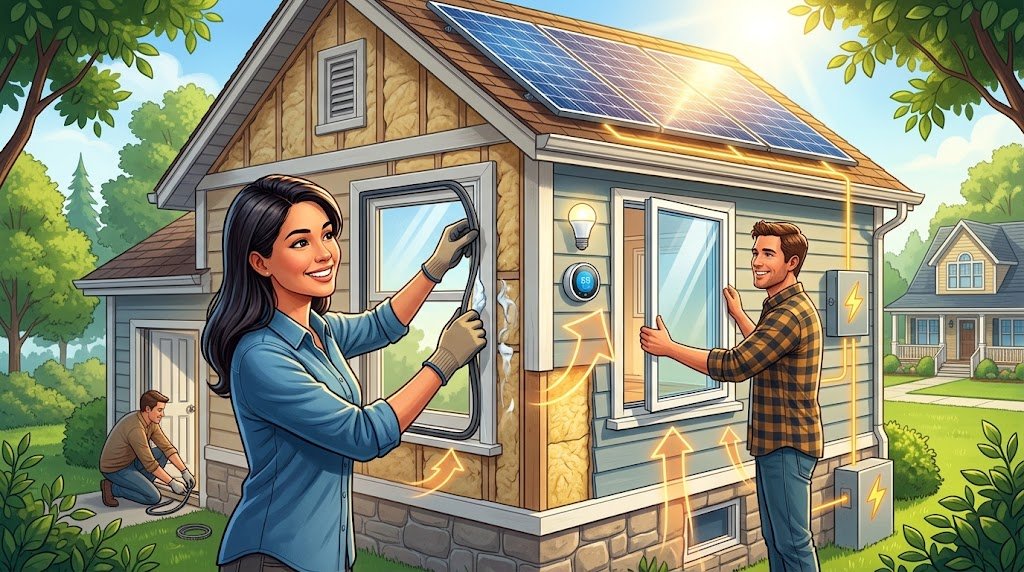
How to Make Your Home More Energy Efficient
Introduction
Energy efficiency has become one of the most important aspects of modern living. With rising electricity costs, increasing environmental concerns, and the growing demand for sustainable lifestyles, homeowners are actively looking for ways to make their homes more energy efficient. An energy-efficient home not only reduces utility bills but also improves comfort, enhances property value, and contributes to a healthier environment.
Making your home energy efficient does not necessarily require a complete renovation or large investment. In many cases, small changes in daily habits, combined with strategic upgrades, can lead to significant energy savings. From improving insulation and upgrading appliances to using smart technology and optimizing natural light, there are countless ways to reduce energy consumption without sacrificing comfort.
This comprehensive guide will explore practical, effective, and modern strategies to make your home more energy efficient. Whether you live in a small apartment or a large house, these tips will help you save money, reduce your carbon footprint, and create a more sustainable living space.
Understanding Energy Efficiency
Energy efficiency simply means using less energy to perform the same tasks. In a home setting, it involves reducing energy waste while maintaining or improving comfort levels. This can be achieved through better design, efficient appliances, proper insulation, and smart energy management.
An energy-efficient home uses resources wisely. For example, instead of relying heavily on air conditioning, a well-insulated home maintains a stable indoor temperature. Similarly, energy-efficient lighting provides the same brightness while consuming less electricity.
Understanding where energy is used in your home is the first step toward improving efficiency. Common areas of energy consumption include heating and cooling systems, lighting, kitchen appliances, and electronics. By identifying these areas, you can implement targeted improvements that make a real difference.
Benefits of an Energy-Efficient Home
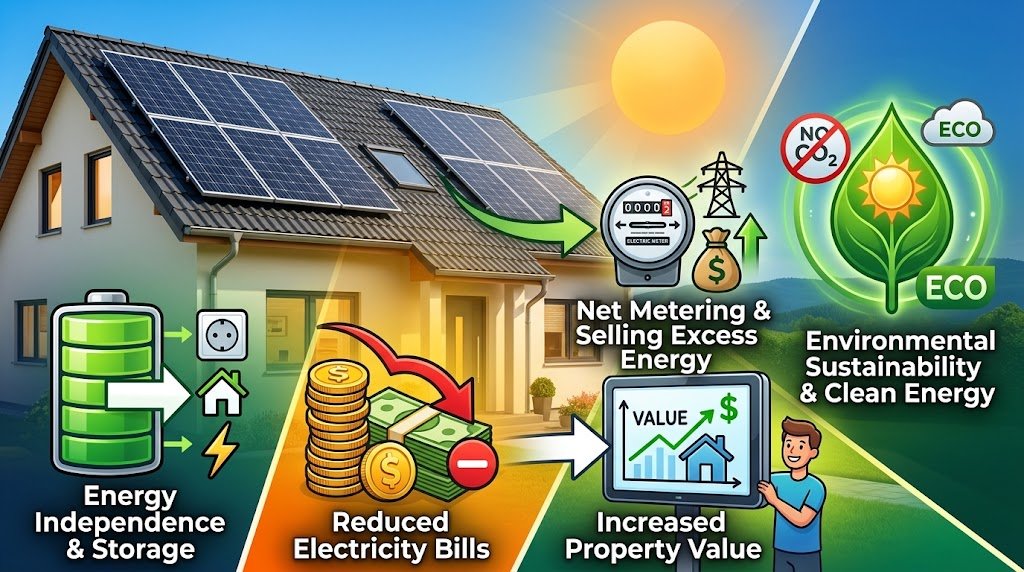
Making your home energy efficient offers numerous benefits that go beyond just saving money.
First, it significantly reduces electricity bills. By using less energy, you pay less each month, which adds up to substantial savings over time.
Second, it improves comfort. Proper insulation, efficient heating, and cooling systems create a more consistent indoor environment, eliminating hot and cold spots.
Third, it increases property value. Energy-efficient homes are more attractive to buyers and often sell at higher prices.
Fourth, it reduces environmental impact. Lower energy consumption means fewer greenhouse gas emissions, contributing to a cleaner and healthier planet.
Finally, energy-efficient homes often require less maintenance, as modern systems and appliances are designed to operate more effectively and last longer.
Improve Home Insulation
One of the most effective ways to improve energy efficiency is by upgrading your home’s insulation. Poor insulation allows heat to escape during winter and enter during summer, forcing your heating and cooling systems to work harder.
Start by insulating your attic, as it is one of the main areas where heat loss occurs. Adding high-quality insulation materials can significantly reduce energy waste. Walls and floors should also be properly insulated to maintain indoor temperature.
Sealing gaps and cracks around doors, windows, and vents is equally important. Even small leaks can lead to major energy loss over time. Weather stripping and caulking are simple and affordable solutions that can make a big difference.
Upgrade to Energy-Efficient Windows
Windows play a crucial role in maintaining indoor temperature. Traditional single-pane windows allow heat transfer, making your home less efficient.
Upgrading to double-glazed or triple-glazed windows can improve insulation and reduce energy loss. These windows are designed to minimize heat transfer while allowing natural light to enter.
Using window treatments such as curtains, blinds, and reflective films can also enhance efficiency. During summer, keeping curtains closed during peak sunlight hours helps reduce heat gain. In winter, opening curtains during the day allows sunlight to naturally warm your home.
Use Energy-Efficient Lighting
Lighting is one of the easiest areas to improve energy efficiency. Replacing traditional incandescent bulbs with LED lights can reduce energy consumption significantly.
LED bulbs use up to 80% less energy and last much longer than conventional bulbs. Although they may cost more initially, they save money in the long run due to lower energy usage and reduced replacement frequency.
Additionally, consider using motion sensors and dimmer switches. Motion sensors ensure that lights are only used when needed, while dimmers allow you to adjust brightness and save energy.
Maximizing natural light during the day is another effective strategy. Designing your space to allow more sunlight reduces the need for artificial lighting.
Upgrade Appliances and Electronics
Old appliances consume more energy compared to modern energy-efficient models. Upgrading to energy-efficient appliances can significantly reduce electricity usage.
Look for appliances with energy efficiency ratings when purchasing new ones. Refrigerators, washing machines, air conditioners, and ovens are some of the biggest energy consumers in a home.
Unplugging devices when not in use also helps reduce “phantom energy” consumption. Many electronics continue to draw power even when turned off.
Using smart power strips can automatically cut power to devices that are not in use, further improving efficiency.
Optimize Heating and Cooling Systems
Heating and cooling systems account for a large portion of energy consumption in most homes. Optimizing these systems is essential for improving efficiency.
Regular maintenance is crucial. Cleaning filters, servicing units, and checking for leaks ensure that systems operate efficiently.
Installing a programmable or smart thermostat allows you to control temperature settings based on your schedule. For example, you can reduce heating or cooling when no one is home and adjust it before you return.
Using ceiling fans can also help distribute air more effectively, reducing the need for heating and cooling.
Switch to Renewable Energy Sources
One of the most impactful ways to make your home energy efficient is by using renewable energy sources.
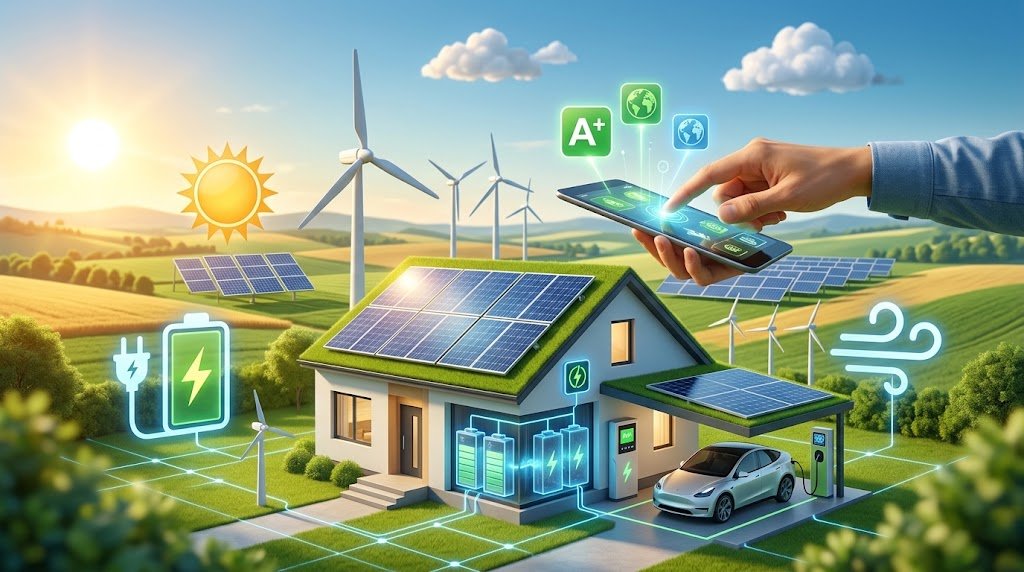
Solar panels are a popular option for homeowners. They convert sunlight into electricity, reducing reliance on traditional power sources. Although the initial investment can be high, long-term savings and environmental benefits make it worthwhile.
Solar water heaters are another effective solution. They use sunlight to heat water, reducing energy consumption.
In some areas, wind energy and geothermal systems are also available as sustainable alternatives.
Improve Water Efficiency
Water usage is closely linked to energy consumption, especially when it comes to heating water.
Installing low-flow fixtures such as showerheads and faucets can reduce water usage without affecting performance.
Fixing leaks promptly is essential, as even small leaks can waste a significant amount of water over time.
Using energy-efficient water heaters and setting them to optimal temperatures can also reduce energy consumption.
Smart Home Technology
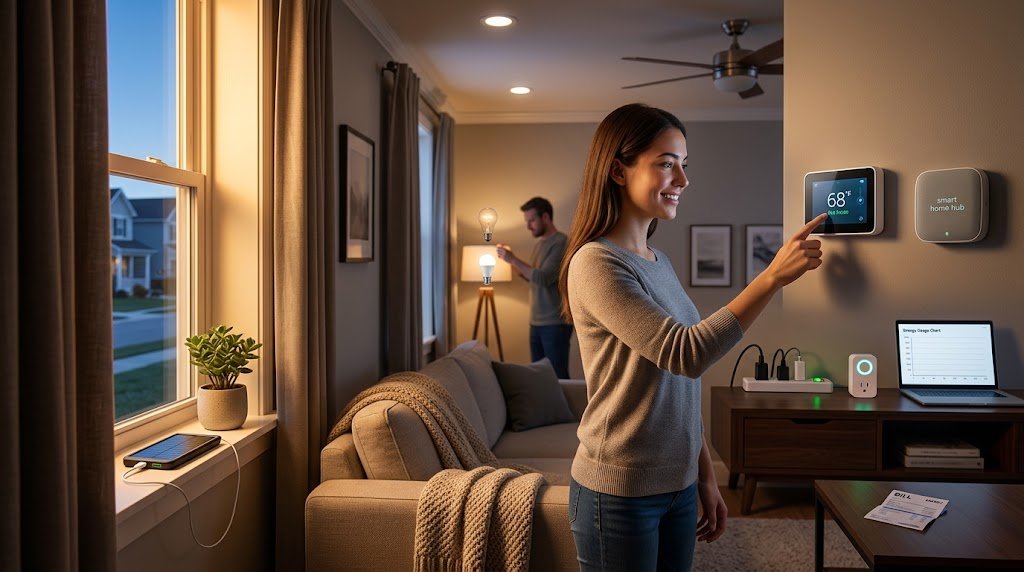
Smart home technology has revolutionized energy management. Devices such as smart thermostats, lighting systems, and energy monitors allow you to control and optimize energy usage.
Smart thermostats learn your preferences and adjust temperature settings automatically. This ensures comfort while minimizing energy waste.
Smart lighting systems allow you to control lights remotely and schedule usage based on your routine.
Energy monitoring systems provide real-time data on energy consumption, helping you identify areas where you can improve efficiency.
Behavioral Changes for Energy Efficiency
In addition to upgrades and technology, simple behavioral changes can have a significant impact on energy efficiency.
Turning off lights when leaving a room, unplugging devices, and using appliances during off-peak hours are simple habits that save energy.
Washing clothes in cold water, air-drying laundry, and using energy-saving modes on appliances also contribute to efficiency.
Being mindful of energy usage in daily life is one of the most effective ways to reduce consumption.
Landscaping for Energy Efficiency
Landscaping can play a surprising role in improving home energy efficiency.
Planting trees around your home provides shade, reducing heat gain during summer. This lowers the need for air conditioning.
Using windbreaks such as shrubs and fences can reduce heat loss during winter by blocking cold winds.
Green roofs and gardens can also improve insulation and reduce energy consumption.
Energy Audits
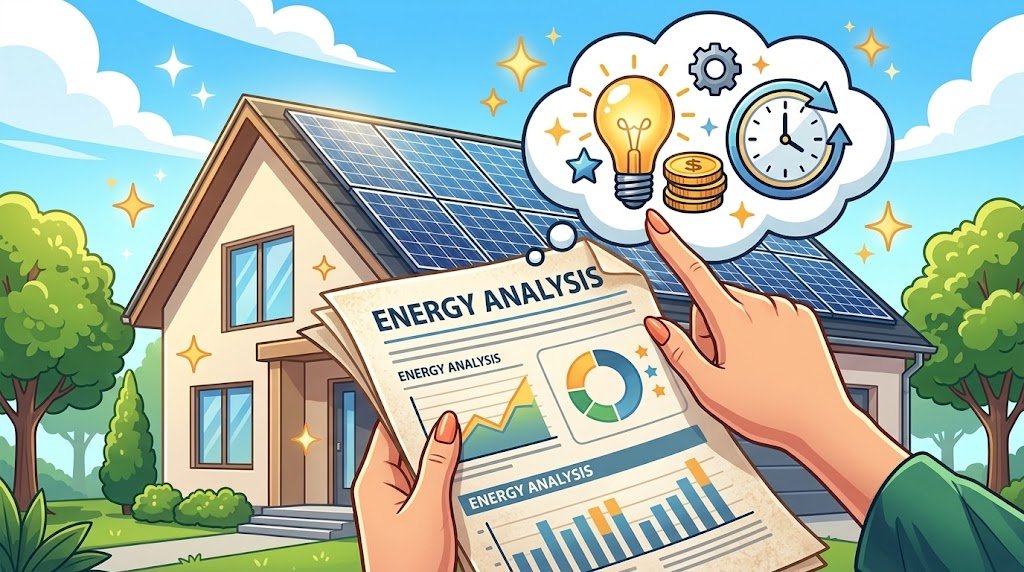
Conducting an energy audit is a great way to identify areas where your home is losing energy.
Professional energy audits provide detailed insights into insulation, air leaks, and system efficiency. They also offer recommendations for improvements.
You can also perform a basic audit yourself by checking for drafts, inspecting insulation, and monitoring energy bills.
Cost vs Savings
Many homeowners hesitate to invest in energy efficiency due to upfront costs. However, most improvements pay for themselves over time through reduced energy bills.
Simple upgrades such as LED lighting and weather sealing offer immediate savings with minimal investment.
Larger investments like solar panels and insulation upgrades provide long-term benefits and increased property value.
Understanding the balance between cost and savings helps you make informed decisions.
Common Mistakes to Avoid
When improving energy efficiency, it is important to avoid common mistakes.
Ignoring insulation issues can lead to wasted efforts in other areas.
Buying inefficient appliances to save money upfront often results in higher long-term costs.
Overusing heating and cooling systems without proper maintenance reduces efficiency.
Avoiding these mistakes ensures better results and maximum savings.
Future Trends in Home Energy Efficiency
The future of energy efficiency is driven by innovation and technology.
Smart homes will become more advanced, with AI systems managing energy usage automatically.
Renewable energy solutions will become more affordable and accessible.
Energy storage systems, such as home batteries, will allow homeowners to store and use energy more efficiently.
These trends will continue to transform how we use energy in our homes.
Conclusion
Making your home more energy efficient is one of the best decisions you can make for your finances, comfort, and the environment. By implementing simple changes and investing in the right upgrades, you can significantly reduce energy consumption and improve your quality of life.
From improving insulation and upgrading appliances to using smart technology and adopting better habits, every step contributes to a more efficient and sustainable home.
Energy efficiency is not just a trend—it is a necessity for the future. By taking action today, you can create a home that is not only cost-effective but also environmentally responsible.
Final Thoughts
Creating an energy-efficient home is a continuous process that evolves with technology and lifestyle changes. Start with small improvements, gradually upgrade your systems, and stay informed about new solutions.
With the right approach, you can enjoy lower energy bills, greater comfort, and the satisfaction of contributing to a healthier planet. Your journey toward an energy-efficient home begins today