Currently Empty: $0.00

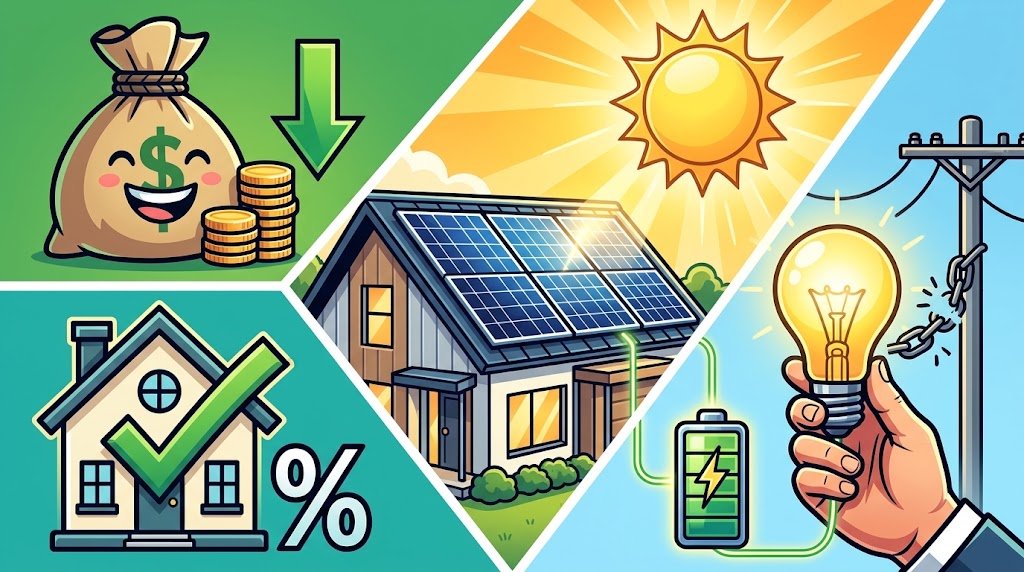
What Are the Main Benefits of Installing Solar Panels for Homes?
Introduction
More homeowners than ever are turning their attention toward solar panels, not just as a trendy home upgrade but as a genuine long-term investment in both their finances and their lifestyle. What was once considered a niche choice reserved for environmentally conscious early adopters has now become a mainstream option embraced by households across all kinds of communities, income levels, and climates. The shift is driven by a combination of factors, including rising traditional electricity costs, growing awareness of climate change, improved solar technology, and a wider range of financing options that make going solar more accessible than it used to be. Still, for many homeowners considering the switch, the decision often comes down to a simple question: what exactly do you gain by installing solar panels on your home? This article explores the full range of benefits that come with residential solar panel installation, covering everything from the financial savings and energy independence to the environmental impact, property value increase, and lifestyle advantages that make solar an increasingly popular choice for households everywhere.
[Image: A modern home with solar panels installed on the roof under a clear sky]
Table of Contents
- Lower Monthly Electricity Bills
- Long-Term Financial Return on Investment
- Increased Home Value
- Energy Independence and Reduced Reliance on the Grid
- Environmental Benefits of Solar Energy
- Protection Against Rising Energy Costs
- Available Incentives, Rebates, and Tax Credits
- Low Maintenance and Long Lifespan
- Backup Power and Energy Resilience
- Positive Impact on Local Energy Grids and Communities
- Frequently Asked Questions
- Final Thoughts
Lower Monthly Electricity Bills
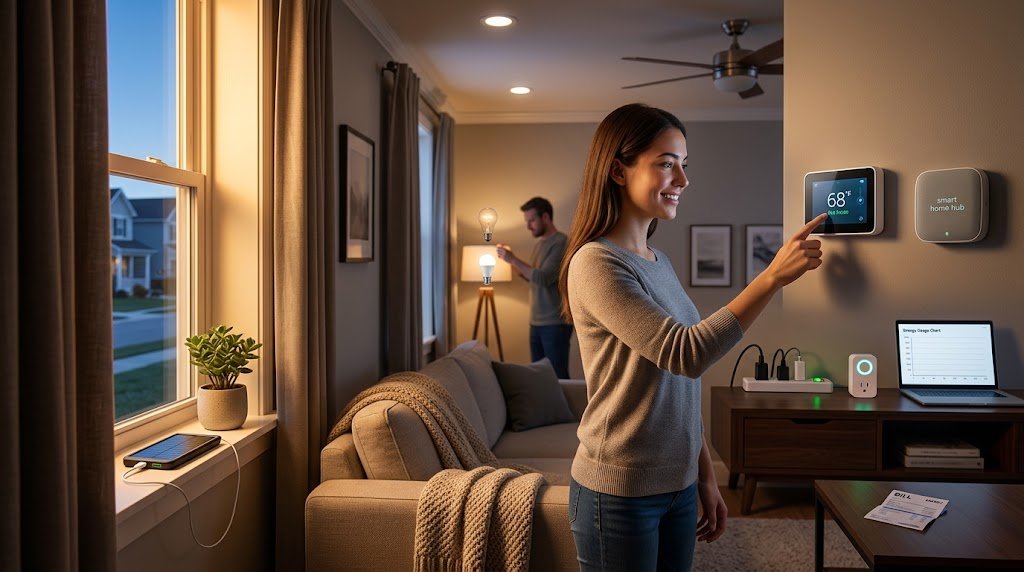
One of the most immediate and noticeable benefits of installing solar panels is the reduction in monthly electricity bills. When solar panels are installed on a home, they generate electricity directly from sunlight, which can be used to power household appliances, lighting, heating and cooling systems, and everything else that runs on electricity throughout the day. This means that instead of pulling all of your power from the traditional electrical grid and paying your utility company for every unit consumed, a significant portion of your energy needs is met by the electricity your own panels produce. Depending on the size of your solar system, your household’s energy consumption, and the amount of sunlight your region receives, many homeowners see their monthly electricity bills drop dramatically, and in some cases, homes with sufficiently large systems can reduce their utility bill to nearly nothing during sunnier months.
The savings become even more significant over time, especially as many utility companies offer net metering programs, which allow homeowners to receive credit for any excess electricity their solar panels generate but do not use. During the day, when sunlight is abundant and household energy use might be lower because residents are away at work or school, solar panels often produce more electricity than the home is actively consuming. Rather than letting this excess energy go to waste, net metering allows that surplus to be sent back to the grid in exchange for credits, which can then offset the cost of electricity drawn from the grid during evenings or cloudy days when solar production is lower. This system effectively allows a home to use the grid as a kind of storage bank, maximizing the financial benefit of the solar investment throughout the entire billing cycle rather than only during the hours when the sun is actually shining.
[Image: A utility bill showing reduced electricity costs after solar installation]
Long-Term Financial Return on Investment
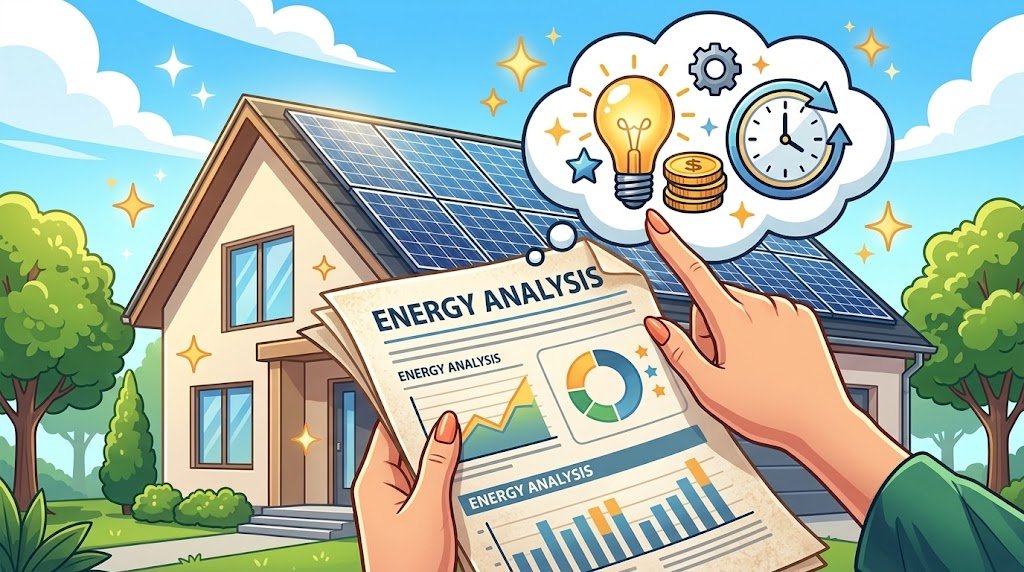
While the upfront cost of installing a solar panel system can feel significant, it is important to view this expense through the lens of a long-term investment rather than a simple one-time purchase. Solar panel systems typically pay for themselves over a period of several years through the electricity bill savings they generate, and once that payback period is reached, the electricity produced by the panels essentially becomes free for the remainder of the system’s operational lifespan, which often extends for two decades or more with proper maintenance.
The exact payback period varies depending on factors like the size of the system, local electricity rates, the amount of sunlight the home receives, and any available incentives or rebates that reduce the initial installation cost. In regions with higher electricity rates and strong sun exposure, homeowners often see a faster return on their investment compared to areas with cheaper electricity or less consistent sunlight. Regardless of the exact timeline, the overall trend remains the same: once the system has paid for itself, homeowners continue to benefit from significantly reduced or eliminated electricity costs for many years afterward, representing a substantial cumulative financial benefit over the life of the system.
Beyond the direct electricity savings, solar panels can also be viewed as a hedge against future financial uncertainty. Traditional electricity costs have historically trended upward over time due to factors like inflation, infrastructure costs, and increasing demand, meaning that a homeowner who continues relying entirely on grid electricity will likely see their costs rise steadily over the years. By contrast, a homeowner with solar panels has already locked in a significant portion of their energy production at a fixed upfront cost, insulating them from a substantial portion of these future price increases and providing a level of financial predictability that traditional electricity consumption simply cannot offer.
[Image: A graph illustrating long-term savings from solar panel investment over time]
Increased Home Value
Installing solar panels does not just benefit homeowners while they live in the property, it can also significantly increase the resale value of the home when it comes time to sell. Homes equipped with solar panel systems are increasingly attractive to prospective buyers, particularly as awareness of energy costs and environmental impact continues to grow among the general public. Buyers are often willing to pay a premium for a home that already has a functioning solar system installed, since it means they can immediately begin benefiting from reduced electricity costs without having to make the upfront investment themselves.
Real estate research has consistently shown that homes with solar panel installations tend to sell for more than comparable homes without solar, and in many markets, these homes also tend to sell faster, since the appeal of lower ongoing utility costs and modern, energy-efficient features can make a listing stand out among comparable properties. This added value can be an important consideration for homeowners who may not plan to stay in their current home indefinitely, since it means the investment in solar panels is not necessarily tied exclusively to long-term personal use but can also translate into a stronger return when the property is eventually sold.
It is worth noting that the specific value increase can depend on factors like the age and condition of the solar system, whether it was professionally installed and properly maintained, and how the local real estate market generally values energy-efficient home features. Buyers and appraisers increasingly recognize the value of an owned, well-maintained solar system as a genuine asset attached to the property, rather than viewing it as a niche or negligible feature the way it may have been perceived in the past.
[Image: A “For Sale” sign in front of a house with solar panels visible on the roof]
Energy Independence and Reduced Reliance on the Grid
Beyond the financial advantages, solar panels offer homeowners a meaningful degree of energy independence that comes with generating a portion, or in some cases nearly all, of their own electricity. This independence reduces reliance on the traditional electrical grid and the utility companies that manage it, which can be particularly appealing to homeowners who value greater control over their energy consumption and costs. Being less dependent on the grid also means being less vulnerable to fluctuations in utility pricing, rate structure changes, or policy shifts that could otherwise significantly affect a household’s monthly expenses without any warning or ability to prevent it.
For homeowners in areas prone to fluctuating energy prices due to seasonal demand changes, regional supply issues, or broader market volatility, this independence can translate into a genuine sense of financial security that extends beyond simple bill savings. Rather than being at the mercy of decisions made by utility companies or larger energy market forces, a solar-powered household has much greater control over a significant portion of its own energy production and, by extension, its own energy costs. This shift in control represents a meaningful lifestyle benefit that goes beyond the numbers on a monthly bill, offering homeowners a stronger sense of autonomy over one of their most essential and unavoidable household expenses.
[Image: A homeowner monitoring solar energy production through a mobile app]
Environmental Benefits of Solar Energy
For many homeowners, the environmental benefits of solar energy are just as compelling as the financial ones, if not more so. Traditional electricity generation, particularly from fossil fuel sources like coal and natural gas, produces significant greenhouse gas emissions and other pollutants that contribute to climate change and negatively impact air quality. Solar panels, by contrast, generate electricity directly from sunlight without producing any emissions during operation, making them one of the cleanest and most sustainable energy sources currently available to homeowners.
By installing solar panels, a household directly reduces its carbon footprint, since a smaller portion of its electricity consumption relies on fossil-fuel-generated power from the grid. Over the lifespan of a solar system, which often spans twenty-five years or more, the cumulative reduction in greenhouse gas emissions can be substantial, equivalent in some cases to removing a car from the road for many years or planting a significant number of trees, depending on the size of the system and the region’s existing energy mix. This environmental impact becomes even more meaningful when considered at scale, as more and more households adopt solar energy and collectively reduce the overall demand for fossil-fuel-based electricity generation.
Beyond emissions reduction, solar energy also reduces the strain on natural resources more broadly, since it does not require the extraction, transportation, and combustion of finite fossil fuel resources the way traditional electricity generation does. This makes solar power a more sustainable long-term solution for meeting growing global energy demand, and homeowners who choose to install solar panels can feel confident that their decision contributes meaningfully to a broader shift toward cleaner, more sustainable energy practices, both within their own household and as part of a larger collective movement toward reducing environmental impact.
[Image: An infographic showing reduced carbon emissions from solar-powered homes]
Protection Against Rising Energy Costs
Electricity prices have historically shown a consistent upward trend over time, influenced by factors such as inflation, infrastructure maintenance and upgrades, increased demand, and broader energy market fluctuations. For households relying entirely on grid electricity, this means monthly utility bills are likely to continue rising over the years, often at a pace that outstrips general inflation in many regions. Solar panels offer a meaningful layer of protection against this ongoing trend, since a home that generates a significant portion of its own electricity is far less exposed to these rising costs compared to a home that draws its entire energy supply from the grid.
Once a solar system is installed and paid off, the electricity it generates effectively costs nothing beyond routine maintenance, meaning that as grid electricity prices continue climbing over the years, the value of the savings generated by the solar system effectively increases as well. This makes solar panels not just a way to save money in the present, but a genuine long-term financial safeguard against a cost that most households have little to no control over otherwise. For homeowners planning their long-term household budget, this predictability and protection against rising costs can offer significant peace of mind, particularly for those on fixed incomes or those who prioritize long-term financial planning and stability.
[Image: A chart showing historical electricity price increases over several decades]
Available Incentives, Rebates, and Tax Credits
One of the most significant factors that has made solar panel installation more accessible and financially appealing in recent years is the wide range of incentives, rebates, and tax credits available to homeowners in many regions. Government programs at various levels often offer substantial financial incentives designed to encourage the adoption of renewable energy, recognizing both the environmental benefits and the broader public benefit of reducing strain on traditional energy infrastructure.
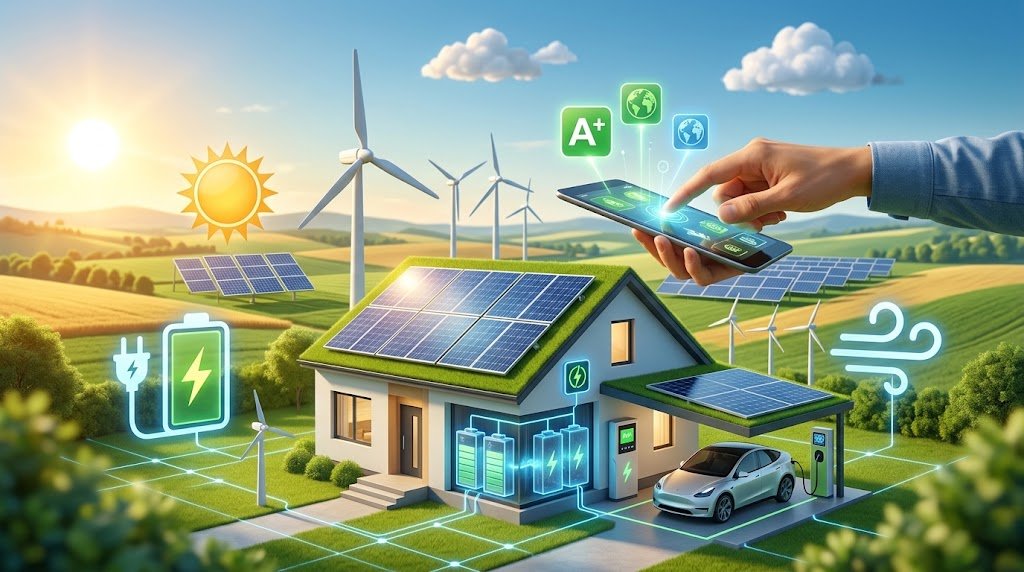
These incentives can take several forms, including direct tax credits that reduce the amount of income tax owed based on a percentage of the total solar installation cost, rebate programs that provide a direct reduction in the upfront cost of the system, and performance-based incentives that reward homeowners based on the actual amount of electricity their system generates over time. Some regions also offer additional incentives specifically for pairing solar panels with battery storage systems, recognizing the added grid resilience benefits that come with combining these technologies.
Because these programs can vary significantly depending on location and can change over time as policies are updated, it is worth researching what specific incentives are currently available in your area before finalizing a solar installation decision. Taking full advantage of available incentives can substantially reduce the upfront cost of a solar system, shortening the payback period and increasing the overall financial benefit of the investment. Many solar installation companies are well-versed in these programs and can help homeowners navigate the application process, ensuring they do not miss out on incentives they may be eligible for.
[Image: A homeowner reviewing solar tax credit paperwork with a calculator]
Low Maintenance and Long Lifespan
Another significant benefit of solar panels that often surprises homeowners is just how little ongoing maintenance is required to keep a system operating effectively. Unlike many other home improvement investments that require regular upkeep, repairs, or replacement parts, solar panels are designed to withstand years of exposure to the elements with minimal intervention. Most residential solar panels come with warranties that guarantee a certain level of performance for twenty-five years or more, reflecting the durability and long operational lifespan built into modern solar technology.
Routine maintenance for a solar system typically involves occasional cleaning to remove dust, debris, or accumulated dirt that could reduce the panels’ efficiency, along with periodic professional inspections to ensure all components, including inverters and wiring, continue functioning properly. In most climates, rainfall alone helps keep panels reasonably clean, meaning many homeowners find that minimal additional cleaning effort is required throughout the year. Because solar panels have no moving parts, they are far less prone to mechanical failure compared to many other home energy systems, further contributing to their low-maintenance reputation.
While components like inverters, which convert the direct current electricity generated by solar panels into the alternating current electricity used by most household appliances, may need replacement at some point during the system’s overall lifespan, this is typically a relatively minor and infrequent expense compared to the substantial savings generated by the system over its operational life. Overall, the combination of long lifespan and minimal maintenance requirements makes solar panels an appealing investment for homeowners who want the financial and environmental benefits of renewable energy without taking on a significant ongoing maintenance burden.
[Image: A technician performing a routine inspection of rooftop solar panels]
Backup Power and Energy Resilience
For homeowners in regions prone to power outages, whether due to severe weather, grid instability, or infrastructure limitations, solar panels paired with battery storage systems offer a valuable layer of energy resilience that traditional grid-only households simply do not have. While standard grid-tied solar systems without battery storage typically shut down during a power outage as a safety measure, homeowners who install battery storage alongside their solar panels can maintain access to electricity even when the broader grid goes down.
This added resilience can be particularly valuable for households with specific needs, such as families relying on medical equipment that requires a consistent power source, or those living in areas where extended outages due to storms or other natural events are a regular concern. Having a reliable backup power source can provide significant peace of mind, reducing the disruption and potential safety risks associated with extended power outages. Even for homeowners who do not face frequent outages, the added resilience of a battery-backed solar system offers a valuable safety net, ensuring that essential household functions can continue even during unexpected grid disruptions.
Beyond the practical safety benefits, this kind of energy resilience also reduces dependency on emergency backup solutions like gas-powered generators, which require fuel storage, regular maintenance, and produce emissions during operation. A solar and battery storage combination offers a cleaner, quieter, and more sustainable alternative for maintaining power during outages, aligning with the broader environmental benefits that make solar energy appealing to many homeowners in the first place.
[Image: A home battery storage unit installed alongside a solar panel system]
Positive Impact on Local Energy Grids and Communities
While the primary motivations for installing solar panels are often personal, whether financial savings, environmental values, or energy independence, the benefits of residential solar adoption extend beyond the individual household to the broader community and local energy infrastructure. As more homes generate their own electricity through solar panels, the overall demand placed on traditional power plants and grid infrastructure decreases, which can help ease strain on the system, particularly during periods of peak demand such as hot summer afternoons when air conditioning use surges across an entire region.
This distributed generation model, where electricity is produced across many individual homes rather than solely from a small number of centralized power plants, can contribute to a more resilient and adaptable overall energy grid. In regions with high rates of residential solar adoption, this collective impact can help reduce the likelihood of grid strain or outages during periods of high demand, benefiting not just solar homeowners but the broader community relying on the same shared electrical infrastructure.
Additionally, the growing solar industry has created substantial economic benefits at the community level, generating jobs in manufacturing, installation, and maintenance, while also encouraging continued innovation and investment in renewable energy technology more broadly. Homeowners who choose to install solar panels are, in a sense, participating in and supporting this broader economic and infrastructural shift toward a more sustainable and resilient energy future, extending the impact of their individual decision well beyond their own household.
[Image: A neighborhood with multiple homes featuring solar panel installations]
Frequently Asked Questions
How much money can I actually save by installing solar panels?
Savings vary significantly based on system size, local electricity rates, and sunlight availability, but many homeowners see substantial reductions in their monthly electricity bills, with some households eliminating their utility costs almost entirely during peak sun months.
How long does it take for solar panels to pay for themselves?
The payback period depends on factors like installation cost, available incentives, and local electricity rates, but many homeowners see their system pay for itself within several years, after which the electricity generated becomes essentially free for the remainder of the system’s lifespan.
Do solar panels really increase home resale value?
Yes, research has consistently shown that homes with solar panel systems tend to sell for more and often sell faster than comparable homes without solar, particularly as buyer awareness of energy costs and sustainability continues to grow.
Do I need battery storage to benefit from solar panels?
No, battery storage is not required to benefit from solar panels, though it does add valuable backup power capability during grid outages, offering additional resilience beyond the standard financial and environmental benefits of a grid-tied solar system.
How much maintenance do solar panels actually require?
Solar panels generally require minimal maintenance, typically limited to occasional cleaning and periodic professional inspections, since they have no moving parts and are built to withstand years of outdoor exposure with reliable performance.
[Image: FAQ graphic showing a homeowner reviewing solar panel benefits on a tablet]
Final Thoughts
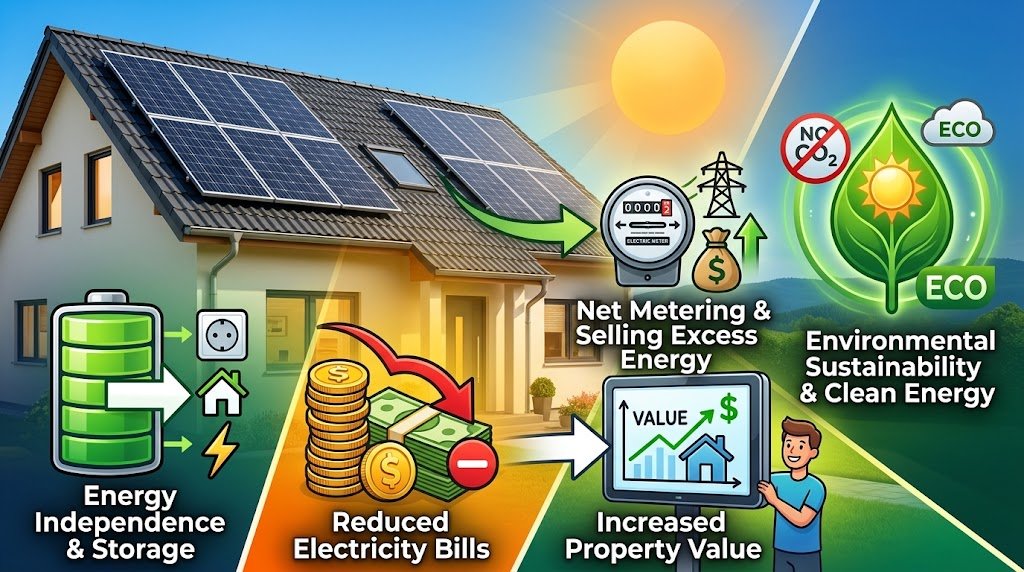
Installing solar panels offers homeowners a genuinely comprehensive set of benefits that extend well beyond simply reducing a monthly electricity bill. From substantial long-term financial savings and protection against rising energy costs to increased home value, greater energy independence, and meaningful environmental impact, solar energy represents one of the most well-rounded home investments available today. The addition of available incentives and rebates further strengthens the financial case, while the low maintenance requirements and long operational lifespan mean homeowners can enjoy these benefits for decades with minimal ongoing effort. For those considering whether solar panels are worth the upfront investment, the combination of direct household savings, added property value, environmental responsibility, and broader community and grid benefits makes a compelling case that solar energy is not just a passing trend, but a genuinely valuable long-term decision for homeowners looking to take greater control of their energy future while contributing to a more sustainable path forward.
You are out of free messages until 11:40 PM
Write a message…